

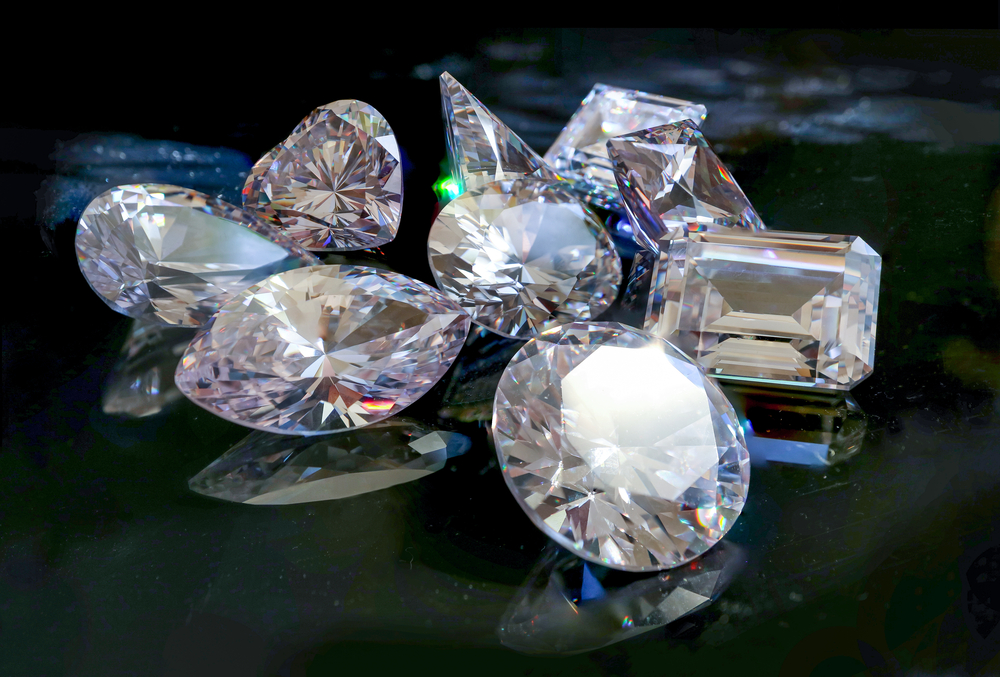
Diamonds have long held a special place in the hearts of jewelry lovers, symbolizing elegance, commitment, and timeless beauty. However, the diamond industry has seen a dramatic transformation in recent years, largely driven by ethical concerns, environmental awareness, and technological advancements. One of the most significant developments has been the rise of lab-grown diamonds, particularly in the form of loose lab grown diamonds—a flexible and increasingly popular option for both jewelers and consumers.
These diamonds, created using advanced scientific techniques rather than mined from the earth, have reshaped the way people think about luxury and sustainability. As awareness grows, more consumers are seeking alternatives to traditional diamonds without compromising on quality or brilliance.
Let’s take a deeper look at the evolution, benefits, and buying considerations of lab-created diamonds, and explore why loose stones are becoming a top choice in today’s jewelry landscape.
What Are Loose Lab Grown Diamonds?
Loose lab grown diamonds are synthetic diamonds that are sold as individual, unmounted stones. Unlike finished pieces set in rings, necklaces, or earrings, these diamonds offer complete design flexibility. Buyers can choose the exact cut, size, color, and clarity, then work with jewelers to create custom designs tailored to their preferences.
Produced in highly controlled laboratory environments, these diamonds are created using two main methods: High Pressure High Temperature (HPHT) and Chemical Vapor Deposition (CVD). Both techniques replicate the natural conditions that form diamonds deep within the Earth, resulting in gems that are chemically, physically, and optically identical to those mined from the ground.
These stones undergo rigorous certification, often graded by reputable gemological institutions like the Gemological Institute of America (GIA) or International Gemological Institute (IGI). For consumers, this means the same standards of quality and authenticity apply, regardless of a diamond’s origin.
Why Consumers Are Choosing Lab Diamonds Over Mined Ones
In the past, lab-created diamonds carried a certain stigma due to misconceptions about their authenticity and quality. Today, that perception has changed dramatically. Many buyers are now turning to lab diamonds for a variety of compelling reasons:
-
Ethical Sourcing
The diamond mining industry has faced longstanding ethical concerns, including links to conflict zones, poor labor conditions, and environmental degradation. Lab-grown options eliminate these concerns. Since these diamonds are made in laboratories, there’s complete transparency in their creation, offering a guilt-free alternative for socially conscious buyers. -
Environmental Impact
Traditional diamond mining is resource-intensive and often leads to significant ecological disruption. In contrast, lab diamonds require considerably less land, water, and energy. While the production process still uses electricity and materials, innovations in sustainable manufacturing are continually improving its environmental footprint. -
Affordability
One of the most attractive aspects of lab-grown diamonds is their price point. Loose lab grown diamonds typically cost 30–40% less than their mined counterparts of similar quality. This affordability allows consumers to purchase larger stones or higher-grade diamonds within their budget. -
Design Freedom
Purchasing a loose lab-created diamond opens up endless customization options. Whether it’s an engagement ring, a pair of earrings, or a bespoke necklace, buyers can collaborate with designers to craft a piece that perfectly fits their vision. This level of personalization is particularly appealing to modern consumers who value uniqueness and self-expression.
Understanding Quality and Certification
Just like mined diamonds, lab-grown stones are graded using the “Four Cs”: Cut, Color, Clarity, and Carat weight. It’s essential to check the certification to ensure transparency in what you’re buying.
- Cut influences a diamond’s brilliance and is often considered the most important aspect.
- Color is graded from D (colorless) to Z (light color). Lab diamonds often fall within the near-colorless range.
- Clarity reflects the presence of inclusions. Many lab diamonds have fewer imperfections due to controlled growth environments.
- Carat Weight determines the diamond’s size and significantly affects the price.
When shopping for loose lab diamonds, look for stones certified by independent organizations. Reputable certificates not only confirm authenticity but also detail the diamond’s specifications, giving buyers confidence in their purchase.
Comparing Loose Lab Grown Diamonds to Alternatives
While natural diamonds remain popular, lab-created options have carved out a distinct and rapidly growing niche. Compared to simulants like cubic zirconia or moissanite, lab diamonds offer the closest match to natural diamonds in terms of hardness, brilliance, and overall durability.
Moissanite, for example, is nearly as hard as diamond but displays a different type of brilliance due to its unique refractive index. While attractive and affordable, it’s chemically distinct from diamonds and generally viewed as a substitute rather than a true alternative. Loose lab grown diamonds, on the other hand, are real diamonds in every sense—offering authenticity without the drawbacks of traditional mining.
Tips for Buying Loose Lab Grown Diamonds
If you’re considering purchasing a loose lab-created diamond, here are a few helpful tips to guide your decision:
- Set a Budget First: Knowing your budget will help narrow down your options and guide the trade-offs between size, quality, and type of setting.
- Understand the 4 Cs: Educate yourself on how each characteristic impacts a diamond’s appearance and value.
- Compare Stones: Use online tools and trusted retailers to compare certified diamonds side-by-side.
- Ask About the Growth Method: While both HPHT and CVD diamonds are high-quality, some buyers may prefer one process over the other based on performance and growth origin.
- Choose a Trusted Retailer: Whether shopping online or in-store, work with reputable dealers who specialize in ethical and certified loose diamonds.
The Future of Lab Grown Diamonds
The market for lab-created diamonds continues to expand, with more jewelers and designers embracing this innovative gemstone. Loose lab grown diamonds, in particular, are leading the way by giving consumers more choices, better value, and a meaningful story behind their purchase.
As technology advances and public perception continues to shift, we can expect lab diamonds to become a mainstream choice for engagement rings, luxury gifts, and investment-grade stones. In fact, many millennials and Gen Z buyers now prefer lab-created options for their transparency and sustainability.
The luxury world is changing—and diamonds are no exception. With lab-grown gems offering the same sparkle and symbolism as traditional stones, but with modern values at heart, the decision to go lab-grown is becoming not just acceptable, but celebrated.
Conclusion
Loose lab grown diamonds represent a fusion of science, ethics, and beauty. They offer all the luster and allure of natural diamonds with added benefits—greater affordability, ethical peace of mind, and design versatility. As the jewelry world evolves, lab-created stones are not just an alternative; they are fast becoming the new standard for conscious consumers.
Whether you’re designing a one-of-a-kind engagement ring or investing in timeless jewelry, lab diamonds present an opportunity to make a meaningful and stylish choice—one that reflects both your taste and your values.





 Hello, I'm Daryl Vandeventer, an accomplished and versatile freelance professional with a strong passion for delivering top-tier solutions to clients worldwide. With a diverse background and years of experience, I've honed my skills and am committed to helping individuals and businesses achieve their goals.